


15 Common Mistakes to Avoid During Your Smog Check Appointment
- keepitrunnin
- Feb 26
- 6 min read
Navigating a smog check appointment can often be a daunting task if you're not adequately prepared. Whether you're a seasoned car owner or a first-timer, there can be numerous pitfalls along the way. In this guide, we aim to make the process smoother by shedding light on some common mistakes and how to avoid them.
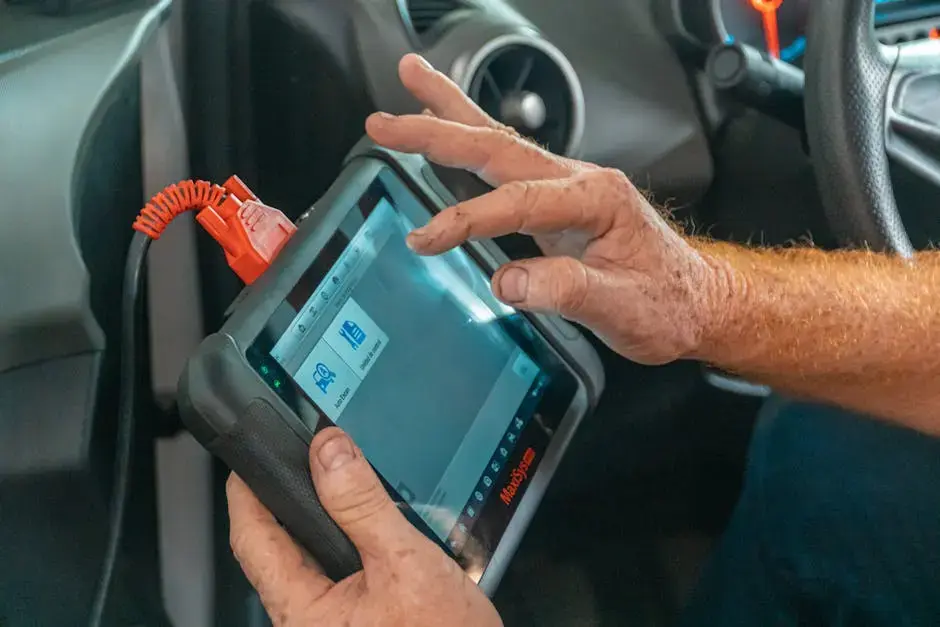
1. Skipping Regular Maintenance Checks
Regular vehicle maintenance is essential to ensure everything runs smoothly during the smog check. Neglecting these routine checks can lead to unexpected issues, including a failed emissions test. For example, a dirty air filter can cause an increase in emissions due to restricted airflow, while old spark plugs might lead to incomplete combustion. Keeping up with maintenance not only helps in passing smog checks but also extends the life of your vehicle. Making sure to regularly check your vehicle's health through inspections is crucial for overall performance.
2. Arriving With a Low Fuel Level
It's important to arrive with at least one-quarter of a tank of fuel. Low fuel levels can cause incorrect readings during the test, which is why smog check stations often advise against coming in with too little fuel. The evaporative emissions control system needs the right amount of fuel to give accurate readings. Keeping your tank sufficiently filled helps the system operate effectively and provides a smoother overall process. A quick stop by your local gas station before your appointment can prevent unnecessary complications and ensure your vehicle meets all necessary standards.
3. Ignoring the Check Engine Light
The check engine light is more than a mere annoyance; it's a warning. Often a sign of underlying issues, ignoring it can lead to an automatic failure in a smog check. This warning could indicate anything from a loose fuel cap to an oxygen sensor needing replacement. Modern vehicles' onboard diagnostics can give specific fault codes, but addressing these promptly is crucial for a successful test. Ensuring all known issues are resolved can prevent the check engine light from causing an unexpected failure, saving both time and money.
4. Waiting Until the Last Minute
Procrastinating on your smog check can lead to stress and potential penalties. Waiting until the last minute can result in fines or even registration holds. Scheduling well in advance provides the buffer needed to address any unexpected issues that may arise. Many people find themselves pressured closer to deadlines. By booking your appointment early, you can take your time to ensure your vehicle is ready and tackle any repairs without the pressure of a ticking clock. Make time your ally, not your adversary.
5. Neglecting to Warm Up the Vehicle
A cold engine can affect emissions readings, so it's essential to ensure your car is properly warmed up before the appointment. Driving for about 15 minutes before the smog check allows the engine and catalytic converter to reach optimal operating temperatures. This is crucial because a warmed-up vehicle's emissions system works more efficiently, reducing the chances of failing the test due to incomplete combustion or similar issues. Taking a quick drive around the block before the appointment not only helps with emissions but also ensures all parts of the vehicle are functioning optimally.
6. Failing to Address Known Issues
If you’re aware of existing issues, it’s best to fix them beforehand to prevent unnecessary test failures. Simple problems, like faulty oxygen sensors or leaking exhaust systems, can lead to a fail in the emissions test. Addressing these issues early ensures your vehicle meets the required standards for a smog check. Moreover, some seemingly unrelated problems, like malfunctioning thermostats, can indirectly impact emissions. By prioritizing repairs or consulting with a technician as necessary, you can save yourself the frustration of a failed test.
7. Not Checking Tire Pressure
While tire pressure might not directly affect emissions, it can impact the accuracy of some test results. Incorrect tire pressure can alter the rolling resistance of your vehicle, potentially affecting the dynamometer test that checks emissions under actual drive conditions. Maintaining the right tire pressure ensures that the vehicle operates efficiently, not just for emissions tests but for everyday driving. By keeping tire pressure within the recommended guidelines, you contribute to an accurate assessment during your smog check appointment, enhancing both safety and performance.
8. Overlooking the Importance of the Gas Cap
The humble gas cap plays a critical role in the emissions system. A damaged or loosely fitted gas cap can lead to a failed smog check as it allows fuel vapors to escape, affecting the car's emissions control. Ensuring that your gas cap is tightly secured is a simple yet effective way of avoiding unnecessary fails during the smog test. Inspecting the cap for cracks or wear should be part of regular vehicle maintenance. By replacing defective gas caps promptly, you can prevent the release of harmful emissions and improve fuel efficiency.
9. Ignoring Technical Bulletins
Manufacturers often issue technical bulletins regarding emissions, pointing out specific issues that could affect your vehicle's performance during a smog test. Being informed of these updates can prevent surprise failures. These bulletins may include software updates, parts replacements, or procedural tips that can make a significant difference in emissions outputs. By staying abreast of this information, you not only enhance your vehicle's reliability but also improve your chances of passing emissions tests without unexpected hitches.
10. Not Keeping Up With Recalls
Staying on top of vehicle recalls, especially those affecting emissions-related parts, is crucial for a successful smog check. Manufacturers issue recalls to address defects that could affect environmental compliance. Ignoring recalls can result in a failed smog check due to faulty parts or systems that haven't been corrected. Periodically checking for recalls and addressing them ensures your vehicle remains in compliance with emissions standards and maintains peak performance.
11. Bringing a Modified Vehicle
Modifications can impact test results and may not comply with smog regulations. Whether it's an aftermarket exhaust or an engine upgrade, modifications can disrupt the balance required for a successful smog check. Before your appointment, ensure all modifications align with local emissions laws by consulting published guidelines or visiting a specialized shop. This precaution ensures your vehicle meets the necessary requirements and prevents any compliance issues that could lead to a failed test. Keeping your vehicle modifications legal and well-documented also prevents future legal and operational complications.
12. Neglecting to Review State Regulations
Each state has different smog check requirements. Familiarizing yourself with local regulations can prevent unforeseen issues. States have unique acceptance criteria for emissions testing, including different acceptable levels for pollutants. By understanding these requirements, you can prepare your vehicle accordingly, avoiding compliance problems. Moreover, staying informed about specific state regulations ensures you adhere to all legal obligations, making the entire smog check process more seamless and predictable.
13. Forgetting to Check the Battery
A weak battery can lead to issues with your vehicle's computer, potentially skewing emissions data. If your battery is weak or near the end of its life, it might fail to adequately power the vehicle's onboard diagnostics, leading to inaccurate emissions readings. Ensuring that your battery is in good working order is a vital step in your smog check preparation. Regular battery checks can help avoid complications and ensure the vehicle's systems perform their best during testing. Quick tests and routine check-ups can preserve your vehicle's longevity and reliability.
14. Not Resetting After Repairs
After making necessary repairs, make sure the vehicle's computer system is reset to avoid false readings. Once repairs are complete, the onboard diagnostics should reflect these updates, ensuring accurate information during your smog check. Resetting the system can often be done by disconnecting the battery for a brief period or through specific computer systems. This step ensures that your vehicle's systems provide current and accurate data, preventing any lingering fault codes from impacting the smog check results.
15. Going to an Unqualified Technician
Ensure that you choose a reputable, certified technician to avoid further complications and ensure accurate results. Qualified technicians have the expertise needed to correctly diagnose and address any potential issues that may arise before or during a smog test. Using a certified smog check station guarantees adherence to all testing standards and protocols, providing you with peace of mind and assurance that your vehicle will be evaluated accurately. This not only helps secure a pass on the test but also supports responsible vehicle care in the longer term.


Comments