


12 Tips for Passing Your Test Only Smog Inspection First Time Around
- keepitrunnin
- Feb 22
- 5 min read
Navigating through a test only smog inspection can be a daunting task, especially if it's your first time. But don't worry, with the right preparation and understanding, you can breeze through it successfully. Here are some tips to help you pass your smog inspection on the first go.
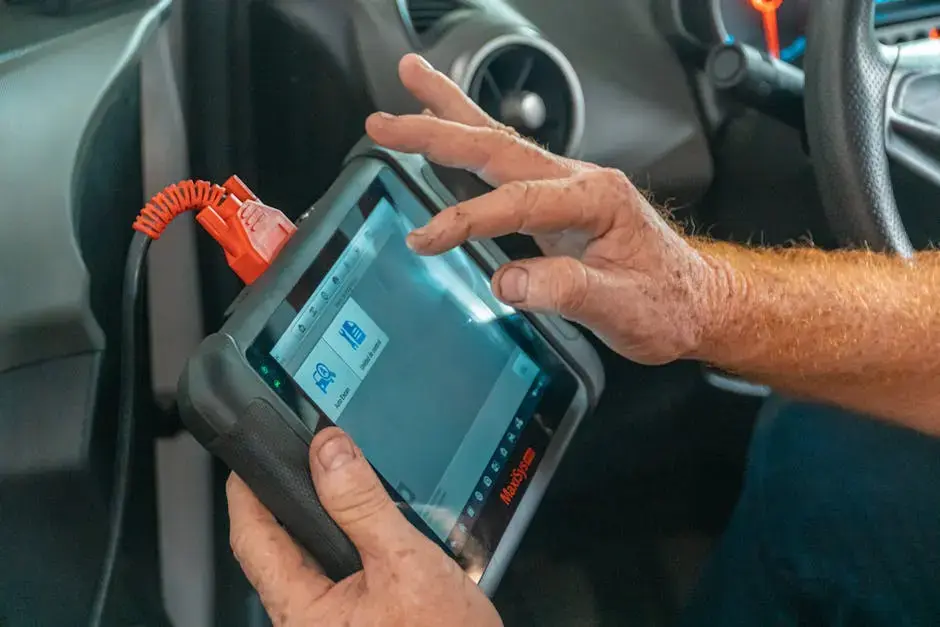
1. Understand What 'Test Only Smog' Means
Test only smog stations are designed to assess vehicle emissions without making any repairs. Knowing this can help you prepare better by ensuring any potential issues are resolved beforehand.
Unlike regular smog stations, these facilities focus solely on testing rather than addressing mechanical problems. Therefore, it's essential to handle any known or suspected issues before scheduling your inspection. Understanding this framework empowers you to stay one step ahead and boosts your chances of passing smoothly. Demystifying the purpose behind 'test only smog' places you in a more advantageous position, ready to face the inspection process with more confidence.
2. Check Your Vehicle's Maintenance History
A well-maintained vehicle is more likely to pass the smog test. Make sure to review your maintenance records and address any outstanding issues that could affect emissions.
Scheduling regular check-ups can save you from last-minute stress. Old and unaddressed mechanical issues might suddenly resurface during a test, which could be detrimental. Hence, it’s critical to ensure components like spark plugs, air filters, and belts are in good condition, as these are common elements often linked to emission problems. Address these small fixes before your test as they could result in big differences in your vehicle's performance and emission levels.
3. Warm Up Your Engine
Engines that are thoroughly warmed up tend to run cleaner. A short drive before the inspection can improve your chances of passing by ensuring your emissions control systems are operating optimally.
When your engine is warm, the catalytic converter and other emission control devices reach their most effective operating temperatures. Heading to the inspection site immediately after driving for about 15 to 20 minutes can prime your car for a better test outcome. This preliminary step ensures that emission figures are reflected accurately, minimizing the risk of failing due to suboptimal system conditions.
4. Consider a Pre-Inspection Check
Some repair shops offer pre-inspection services that assess your car's likelihood of passing the smog test. This can provide peace of mind and the opportunity to fix any issues in advance.
Taking advantage of these services can help you address any unforeseen issues that might not appear significant now but could play a crucial role in the outcome of a smog test. Additionally, a pre-inspection gives you a fighting chance to resolve any mechanical red flags without feeling pressured by testing deadlines. It’s about proactive problem-solving, allowing you to step into the actual test scenario with expectations managed and results more predictable.
5. Keep Your Tires Properly Inflated
Properly inflated tires ensure your vehicle operates at optimal efficiency. It’s a small detail, but can make a difference in emissions and fuel economy.
Inflated tires contribute to smoother vehicle handling and less time spent burning fuel inefficiently. It's a modest tip, but one that echoes throughout the vehicle's operational efficiency and emission output. Consider investing in a good pressure gauge or visiting a nearby service station to confirm your tire pressure levels meet the recommended settings outlined in your vehicle's manual.
6. Change Your Oil Regularly
Old engine oil can impact emissions, so make sure to change it regularly. Fresh oil can help your engine run more efficiently, leading to cleaner emissions.
By sticking to a consistent oil change schedule, you ensure that your engine functions smoother. Over time, used oil deteriorates in quality, potentially clogging engine parts and increasing the chances of unwanted emissions. This simple maintenance step can significantly contribute to not only passing your smog test but also extending your vehicle's lifespan.
7. Check the Gas Cap
A loose or damaged gas cap can result in a test failure due to fuel vapor leakage. Ensure your gas cap is tight and in good condition before heading to the inspection.
Ignoring the state of the gas cap might seem trivial, but it’s crucial for maintaining a tight fuel system. Consider replacing faulty caps, as minor investments like this can prevent frustrating re-inspections. These emissions-focused inspections scrutinize even the smallest details, making a securely fastened and functional gas cap a simple step toward successful test outcomes.
8. Examine Your Exhaust System
Leaks or damage in your exhaust system can affect emissions levels. Have your exhaust system inspected and repaired if necessary prior to your smog test.
A thorough inspection of the exhaust system enables you to identify leaks or wear that could indirectly increase exhaust emissions. Addressing issues like cracked pipes or worn-out gaskets can drastically reduce unwanted pollutants and signal a well-maintained vehicle to inspectors. By paying extra attention to this often overlooked area, you prioritize environmentally friendly practices and enhance your vehicle's ability to pass smog tests.
9. Inspect Emission-Control Components
Make sure that components like the catalytic converter and oxygen sensors are functioning properly. Faulty emission-control parts are a common reason for test failures.
The catalytic converter and oxygen sensors play vital roles in managing your vehicle's emissions. These crucial components translate to significant impacts on your emissions test outcomes if malfunctioning. With regular maintenance and testing, you can ensure they stay in optimal working condition, reducing the likelihood of unexpected failures during smog checks.
10. Use a Fuel Additive
Fuel additives can be helpful in cleaning your fuel system and improving combustion efficiency, leading to lower emissions during your test.
While some might consider additives as an optional measure, their cleansing properties can be a game-changer for cars struggling with emissions. These additives target carbon deposits, acting as a tune-up in a bottle that helps your engine burn fuel more completely, resulting in fewer emissions. This supplementary step aligns well within a broader strategy towards acing your smog inspection. Just ensure you pick a product designed for your specific vehicle type for effective results.
11. Avoid Last-Minute Repairs
Give your vehicle time to 'settle' after any major repairs before taking the test. Sudden repairs can sometimes lead to undesired emission results.
Right after significant repairs, mechanical systems and electronic sensors might require an adjustment period before stabilizing to normal levels. Allow at least a week of regular driving to recalibrate and potentially avert erratic readings. This breather heals old wounds, balancing your vehicle’s functions and ensuring that emission measurements reflect a true, improved state.
12. Stay Calm and Confident
Confidence and calmness can help you ensure nothing is overlooked as you approach the inspection. Remember, you're prepared and ready to ace this!
Anxiety can cause you to miss out on crucial preparatory steps or make rash judgments at the inspection site. Just taking a deep breath and anticipating success can shift your perspective, keeping your focus intact. The procedurals become much simpler when you trust the groundwork you've laid out. Embrace your journey and visualize the desired positive outcome. With these attitudes, not only do you prepare efficiently for the test, but you also set a positive tone for any challenges ahead.



Comments