


Can You Check Transmission Fluid Yourself?
- keepitrunnin
- Mar 8
- 3 min read
Checking your car's transmission fluid is a crucial aspect of regular vehicle maintenance that many drivers overlook. Whether you're looking to save on costly repairs or simply want to ensure your car runs smoothly, knowing how to check the transmission fluid yourself can be incredibly helpful. In this FAQ blog, we'll guide you through the process step-by-step, making it easy and achievable for everyone.
Why Check Your Transmission Fluid?
Understanding the importance of checking transmission fluid is the first step. Low or dirty transmission fluid can lead to transmission problems and costly repairs. Regular checks ensure your vehicle's transmission remains in optimal condition.
Transmission fluid serves as a lubricant for the moving parts inside your transmission, allowing it to operate smoothly. Over time, this fluid can accumulate contaminants and lose its effectiveness. Checking and maintaining the correct transmission fluid level not only keeps your transmission running efficiently but also extends its lifespan.
Gathering Your Tools
Before you start, make sure you have the necessary tools on hand. This usually includes a clean rag, a funnel, and a flashlight. Having these ready will streamline the process.
It's advisable to wear gloves to protect your hands, especially when dealing with engine components. A flashlight will help you see more clearly in tight engine spaces, and a rag ensures you can clean the dipstick and assess fluid quality effectively.
Locate the Transmission Fluid Dipstick
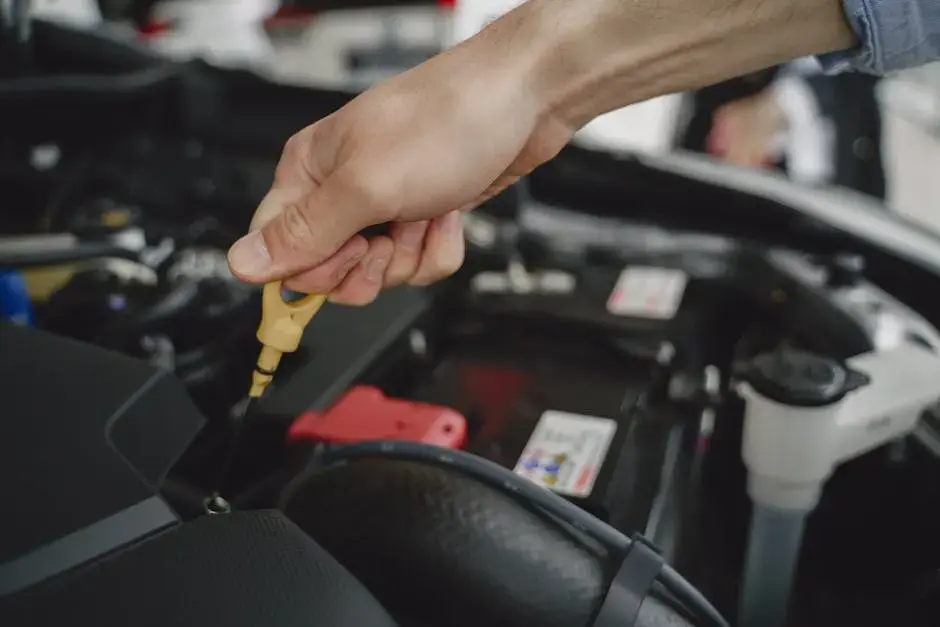
To begin, you'll need to locate your vehicle's transmission fluid dipstick. Typically, it's near the engine, but this can vary depending on the make and model of your car. Refer to your owner’s manual for specific details.
Finding the dipstick can sometimes be challenging, especially in newer models where engines are more compact. Look for easy access areas and identify any labels or markings near the engine indicating where the dipstick is located. Newer vehicles might have a sealed transmission system, which means checking or adding fluid will require professional help.
Check the Transmission Fluid Level
Once located, remove the dipstick and wipe it clean. Reinsert it fully, then remove it again to check the fluid level. The fluid should be between the 'Full' and 'Add' marks. If it's low, you may need to top it up.
Make sure the vehicle is on level ground and the engine is warmed up to obtain an accurate reading. It's crucial that the fluid level is within the recommended range. If it's persistently low, it could indicate a leak and would warrant further inspection.
Assess the Fluid Condition
Apart from the level, it’s vital to examine the condition of the fluid. It should be pink or red and should not smell burnt or look dirty. If it does, a transmission fluid change might be necessary.
If you notice the transmission fluid is dark or has particles in it, it may indicate wear and tear inside the transmission. Additionally, a burnt smell can be a sign of overheating issues. These are indicators that seeking professional help for a transmission fluid change is advisable.
Topping Up the Transmission Fluid
If the fluid level is low, use a funnel to add the appropriate type of transmission fluid. Be cautious not to overfill it. Check the level again after adding fluid to ensure it's correct.
Remember, overfilling transmission fluid can cause pressure build-up, leading to leaks or damage. Always adhere to your vehicle’s manual specifications for the correct type and amount of fluid to use. A careful top-up can prevent future issues and maintain optimal performance.
Wrapping Up Your DIY Transmission Fluid Check
In conclusion, checking your transmission fluid yourself is not only feasible but also practical. By following these simple steps, you can maintain your vehicle's health and performance, potentially saving yourself from expensive repairs down the road. Feel confident and empowered in taking this proactive approach to car maintenance. Remember, if you need professional help, visit us at Smog and Repair Sunnyvale for expert advice and services.


Comments