


8 Reasons Regular Tune Ups Save You Money in the Long Run
Keeping your vehicle in excellent condition can seem like a costly chore, but regular tune-ups can actually save you money in the long haul. By addressing minor issues before they escalate into costly repairs, you ensure your vehicle runs smoothly. Let’s delve into why these tune-ups are so essential for your pocket and the longevity of your car.
1. Preventing Major Breakdowns
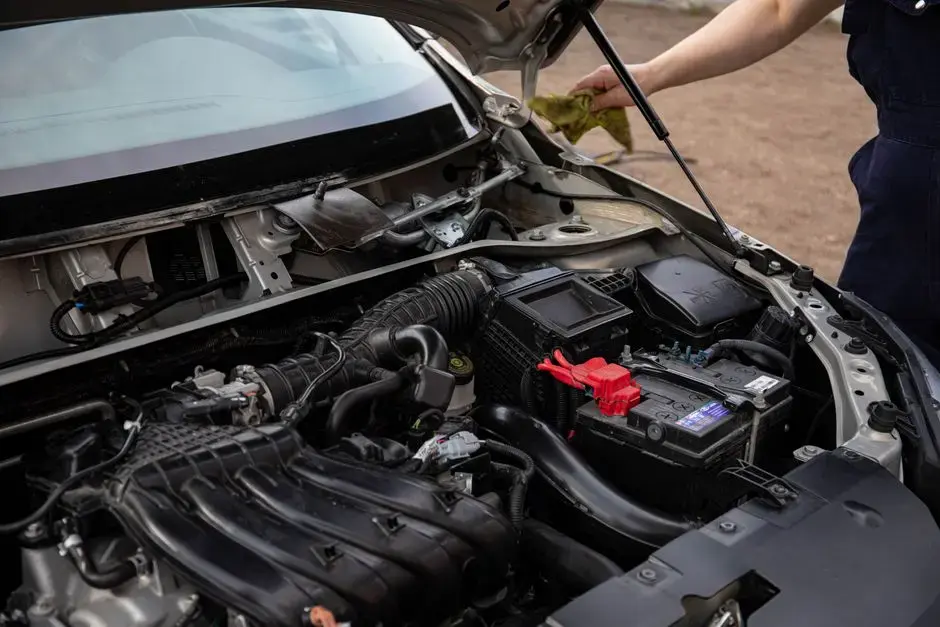
Regular tune-ups can identify issues before they turn into expensive breakdowns. By catching potential problems early, you can avoid the hefty costs associated with severe engine or transmission failures. It's akin to giving your car a regular health check-up; small tweaks here and there prevent larger issues from occurring. This preventive approach ensures that components like belts, hoses, and fluids are always in good condition, minimizing the risk of sudden failures.
Consider the cost of ignoring a minor oil leak, which may eventually lead to severe engine damage. The price of an oil change or minor repair pales in comparison to rebuilding or replacing an engine. Thus, regular attention can prevent these pitfalls. Moreover, by maintaining a record of regular tune-ups, you can easily track and predict when certain parts may need replacement, making your maintenance more efficient and strategic.
2. Boosting Fuel Efficiency
A well-maintained engine runs more efficiently, meaning better fuel economy. Tune-ups can optimize your engine's performance, saving you money on gas by ensuring that your vehicle uses fuel as efficiently as possible. For example, a simple action like replacing an old, clogged air filter can improve your car’s gas mileage by as much as 10%. Regular maintenance tasks like this not only save money but also reduce environmental impact.
Furthermore, tune-ups involve checking the spark plugs and ensuring your tires are properly inflated, both of which can significantly affect your vehicle's fuel consumption. Correctly inflated tires alone can improve fuel efficiency markedly. Therefore, these seemingly small actions collectively contribute to noticeable savings on fuel costs over time. With fluctuating gas prices, maintaining optimal fuel efficiency is an advantageous tactic.
3. Extending Vehicle Lifespan
Routine maintenance helps ensure that your car stays in service longer. By extending the natural lifespan of your vehicle, you delay the expensive process of having to purchase a new car. Consistent care and attention to detail can add years to your vehicle's life, which means you won't have to face the daunting task of financing a new purchase anytime soon.
In addition, older vehicles often carry sentimental value or have fewer electronic components that enthusiasts prefer. Regular tune-ups help preserve these cherished attributes. By routinely servicing your car, you maintain its aesthetic and functional integrity, allowing you to enjoy it for longer without compromising on performance.
4. Improving Performance and Safety
Regular tune-ups keep your vehicle in peak performance. This not only means a smoother driving experience but also enhances safety by ensuring that brakes, tires, and other critical components are functioning perfectly. Ensuring your brakes are responsive can make a world of difference in avoiding accidents.
Moreover, safety is not just about personal wellbeing—it's also about protecting your wallet. Accidents can lead to insurance hikes or unforeseen costs related to legalities or repairs. Therefore, a well-maintained vehicle reduces the risk of accidents and saves money by potentially lowering insurance premiums.
5. Increasing Resale Value
A vehicle with a documented history of regular maintenance is more attractive to potential buyers. This means you can command a higher resale price, ensuring you get more back when it’s time to sell. Prospective buyers value assurance, knowing they’re purchasing a well-cared-for vehicle that won’t demand immediate repairs.
6. Reducing Emission Repairs
Keeping your vehicle in top condition can mean fewer issues with emissions systems, which are both costly to repair and necessary to pass emissions tests required in many areas. With regular tune-ups, your vehicle is more likely to stay up to date with emissions standards, sparing you potential fines or mandatory repairs.
A properly tuned vehicle can run cleaner and pollute less, which benefits both you financially and the environment. Regularly checking components like your oxygen sensor and catalytic converter ensures your car remains efficient and compliant with local regulations, ultimately making environmental responsibility an economically sound decision.
7. Lessening Wear and Tear
Regularly maintaining your vehicle eases the load on its various components, reducing wear and tear. This helps prevent expensive repairs and replacements that stem from neglected maintenance. Over time, this approach can lead to significant savings when crucial parts last longer before needing replacement.
8. Avoiding Inconvenient Surprises
An unexpected car problem can disrupt your plans and finances. Regular tune-ups lessen the chance of these surprises, providing peace of mind and effective budget management. Knowing that key elements of your vehicle are in working order means fewer unexpected trips to the mechanic, and more reliable transportation.


Comments