


What Is a Smog Check Station and Why Do I Need One?
In an effort to keep air pollution under control, many regions require vehicles to pass a smog test. But what exactly is a smog check station, and why is it important for drivers? In this FAQ blog, we'll break down everything you need to know about these stations and why ensuring your vehicle meets emissions standards is crucial.

What Is a Smog Check Station?
A smog check station is a facility licensed to inspect vehicles for compliance with state emissions standards. These stations ensure that vehicles are not releasing excessive pollutants into the atmosphere, playing a crucial role in improving air quality.
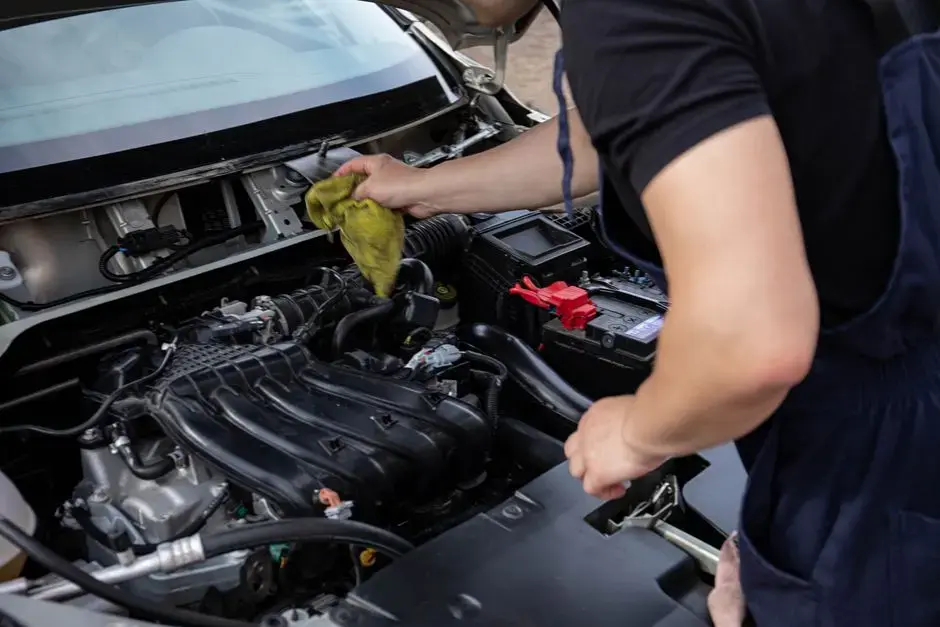
Smog check stations are equipped with specialized tools and trained technicians who understand the intricacies of emissions testing. This ensures not only that your vehicle gets a thorough inspection, but also that any issues found can be accurately diagnosed and addressed.
The primary purpose of a smog check station is to help reduce pollution. By ensuring vehicles meet strict emissions guidelines, these stations help in maintaining the air quality, which is vital for public health and environmental sustainability.
Why Do You Need a Smog Check?
Smog checks are necessary to ensure vehicles meet emission standards designed to reduce air pollution. By passing a smog test, your vehicle is certified to operate without contributing excessively to environmental pollution.
Failing to comply with smog check requirements can result in fines and restrictions on your vehicle's operation, emphasizing the importance of these checks.
Completing a smog check not only benefits the environment but also ensures that your vehicle runs efficiently. Vehicles in good condition consume less fuel and produce fewer emissions, which ultimately can save you money.
What Happens During a Smog Check?
During a smog check, your vehicle undergoes a series of tests that evaluate its emissions system performance. This typically includes a visual inspection, a functional check of the vehicle's various emissions components, and an emissions test using specialized equipment.
The inspection process is comprehensive, ensuring that every part of the emissions system is in good working order. Technicians look for any signs of wear or failure that could lead to higher emissions.
If your vehicle passes all these tests, it means it has met the necessary emissions standards, and you can be confident that you're contributing to cleaner air.
How Often Do You Need a Smog Check?
The frequency of smog checks depends on state regulations and your vehicle's age. In many states, newer cars undergo less frequent testing, while older vehicles might require annual checks. It's essential to understand your state's requirements to remain compliant.
State rules are not uniform, and it's helpful to regularly check local guidelines to stay updated. This proactive approach ensures that you're always in compliance and helps avoid any surprises down the road.
For the most accurate information, visiting state government websites or consulting with local auto repair shops can offer guidance on the required schedule for smog checks.
What If My Vehicle Fails the Smog Check?
If your vehicle fails the smog check, you'll need to diagnose and repair the issues causing excessive emissions. Most stations will provide a diagnostic report to help pinpoint problems, and once repairs are made, the vehicle must be retested to ensure it passes.
Common reasons for a failed smog check include malfunctioning oxygen sensors, issues with the catalytic converter, and problems with the exhaust system. Addressing these issues promptly ensures that your vehicle can pass the retest without any hitches.
After repairs, you should consider performing basic maintenance like changing oil and checking air filters, which can significantly improve emissions performance.
Wrapping Up: The Importance of Smog Checks
Understanding smog check stations and their significance can help you keep your vehicle compliant with local regulations and contribute to a cleaner environment. By knowing what to expect during the smog check process, you can ensure your vehicle passes with flying colors and that you meet environmental standards, helping you avoid fines and potential vehicle restrictions.


Comments